Poetry Book Cover Design Tips and Examples
Poetry books are intimate, evocative works where the cover must whisper rather than shout. Unlike novels with dramatic plots or bright genre signals, poetry covers thrive on subtlety, emotion, and elegance. A well-designed poetry cover draws readers in with quiet beauty, hinting at the depth inside without overwhelming the senses.
In 2025–2026, poetry cover trends lean toward minimalism, elegant typography, soft color palettes, symbolic or abstract imagery, and handcrafted/artistic touches. These elements reflect the reflective, personal nature of poetry—whether it’s love, loss, nature, identity, or introspection.
For authors publishing through authoryn.com (especially indie poets in Lahore and globally via KDP or IngramSpark), these tips will help create a professional, marketable cover that stands out on Amazon thumbnails and bookstore shelves.
1. Embrace Minimalism – Less Is Truly More
Minimalist designs dominate poetry covers because they let the words breathe. Simple layouts with ample negative space, soft colors, and clean lines create sophistication and calm.
Tips:
- Use white, cream, soft pastels, or muted tones (lavender, sage, blush pink) for a serene feel.
- Limit elements to 1–2: a subtle texture, faint pattern, or single symbolic object.
- Avoid clutter—no busy illustrations or multiple images.
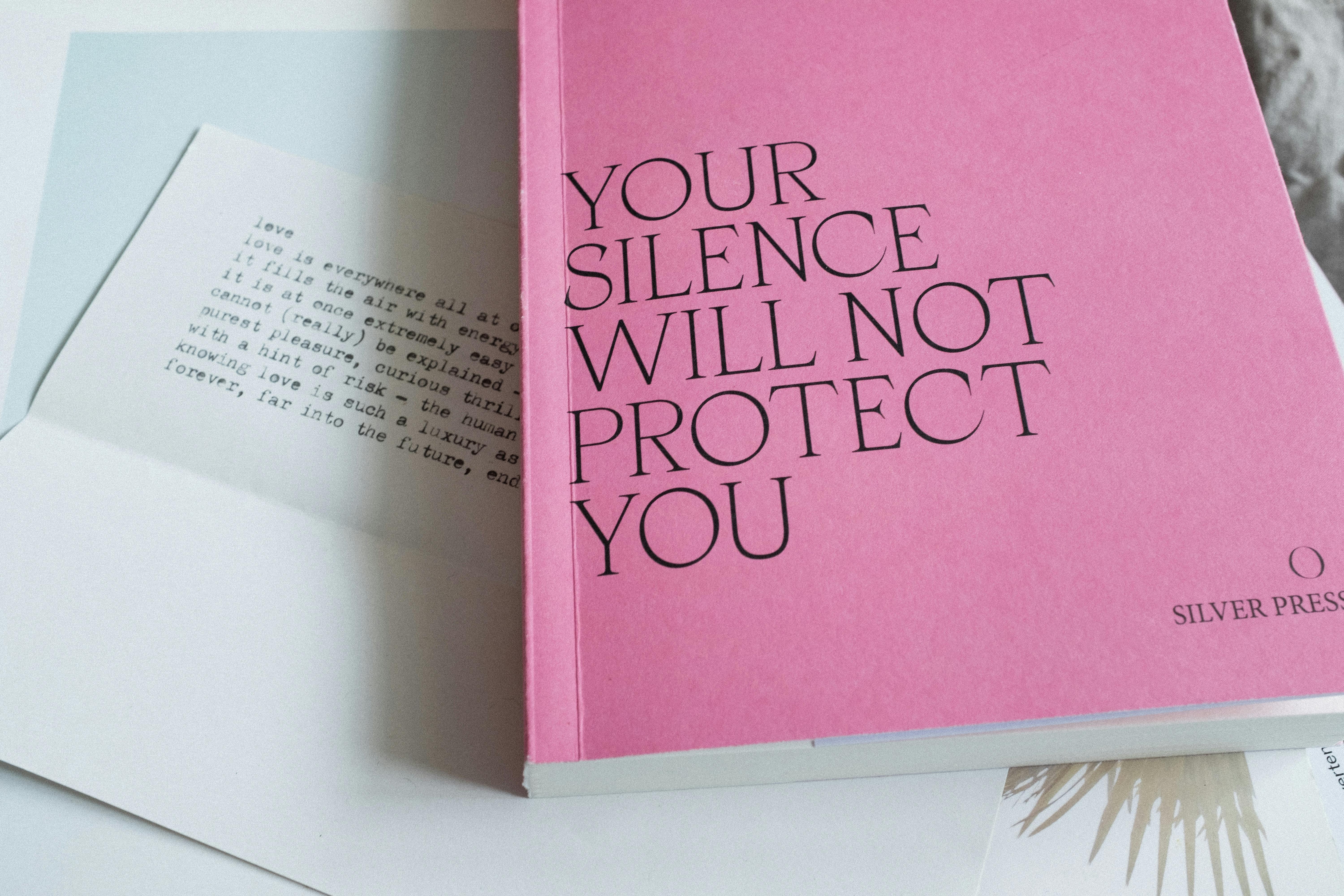
Example: A soft pink cover with oversized, centered black serif title text and minimal author name at the bottom. This style feels luxurious and modern.
2. Prioritize Elegant & Expressive Typography
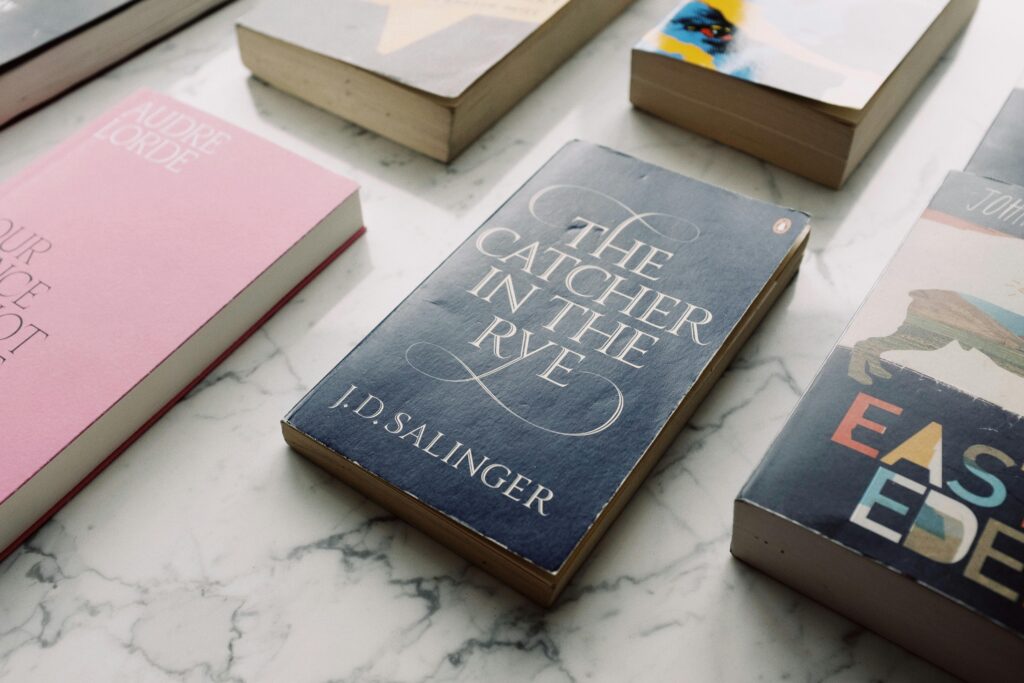
Typography often becomes the hero on poetry covers. The font choice conveys tone—elegant serifs for classic/reflective, sans-serif for contemporary, or hand-lettered for personal/intimate.
Tips:
- Choose readable yet artistic fonts: Playfair Display, Garamond, or custom scripts.
- Use hierarchy: Title largest and most prominent, author name smaller/subtle.
- Experiment with spacing (kerning/leading) for poetic flow—wide letter spacing adds airiness.
- Consider integration: Letters that subtly interact with imagery (e.g., vines weaving through letters).
Example: Bold, widely spaced uppercase title on a pastel background, evoking quiet power.

3. Choose Symbolic or Abstract Imagery
Poetry covers avoid literal depictions (no full portraits unless thematic). Instead, use metaphors: flowers for growth/loss, water for emotion, birds for freedom, or abstract patterns.
Tips:
- Nature motifs (petals, leaves, waves) work beautifully for emotional depth.
- Single focal point: A lone flower, open book with scattered petals, or faint watercolor wash.
- Subtle textures: Paper grain, watercolor bleeds, or gold foil accents for premium feel.
Example: An open book with scattered delicate flowers and petals, symbolizing fragile beauty and unfolding thoughts.


4. Leverage Soft Color Psychology
Colors evoke mood in poetry. Avoid bright primaries; opt for harmonious, emotional palettes.
Tips:
- Pastels (soft blues, pinks, lavenders) for tenderness and introspection.
- Earth tones (sage, terracotta, muted gold) for grounded/nature poetry.
- Monochrome or duotone for stark, powerful themes.
- Test contrast: Ensure title remains legible at thumbnail size.
Example: Warm, floral-inspired tones with gentle gradients for a romantic or nostalgic collection.
5. Consider Artistic & Hand-Drawn Elements
For unique appeal, incorporate illustration, watercolor, or vintage touches.
Tips:
- Hand-drawn lines or botanical sketches add intimacy.
- Vintage book aesthetics (embossed leather look, ornate details) suit classic poetry.
- Balance: Pair artistic imagery with clean typography to avoid overwhelming.
Example: A textured, embossed leather-style cover with subtle gold filigree for timeless elegance.

6. Technical & Practical Essentials
- Thumbnail test: Shrink to 200×300 pixels—title must pop.
- Format: 300 DPI, CMYK for print; include spine/back for full wrap.
- Tools: Canva for beginners, Affinity Designer/Photoshop for pros, or hire via Reedsy/99designs.
- Feedback: Share with poets/readers for emotional resonance.
Final Thoughts
A great poetry cover captures your voice’s essence—elegant, evocative, and inviting. Minimalism and thoughtful typography often win, but always align with your collection’s mood. Test variations and iterate until it feels right.
At authoryn.com, we celebrate poetic expression. Use these tips to make your poetry shine visually and connect deeply with readers!