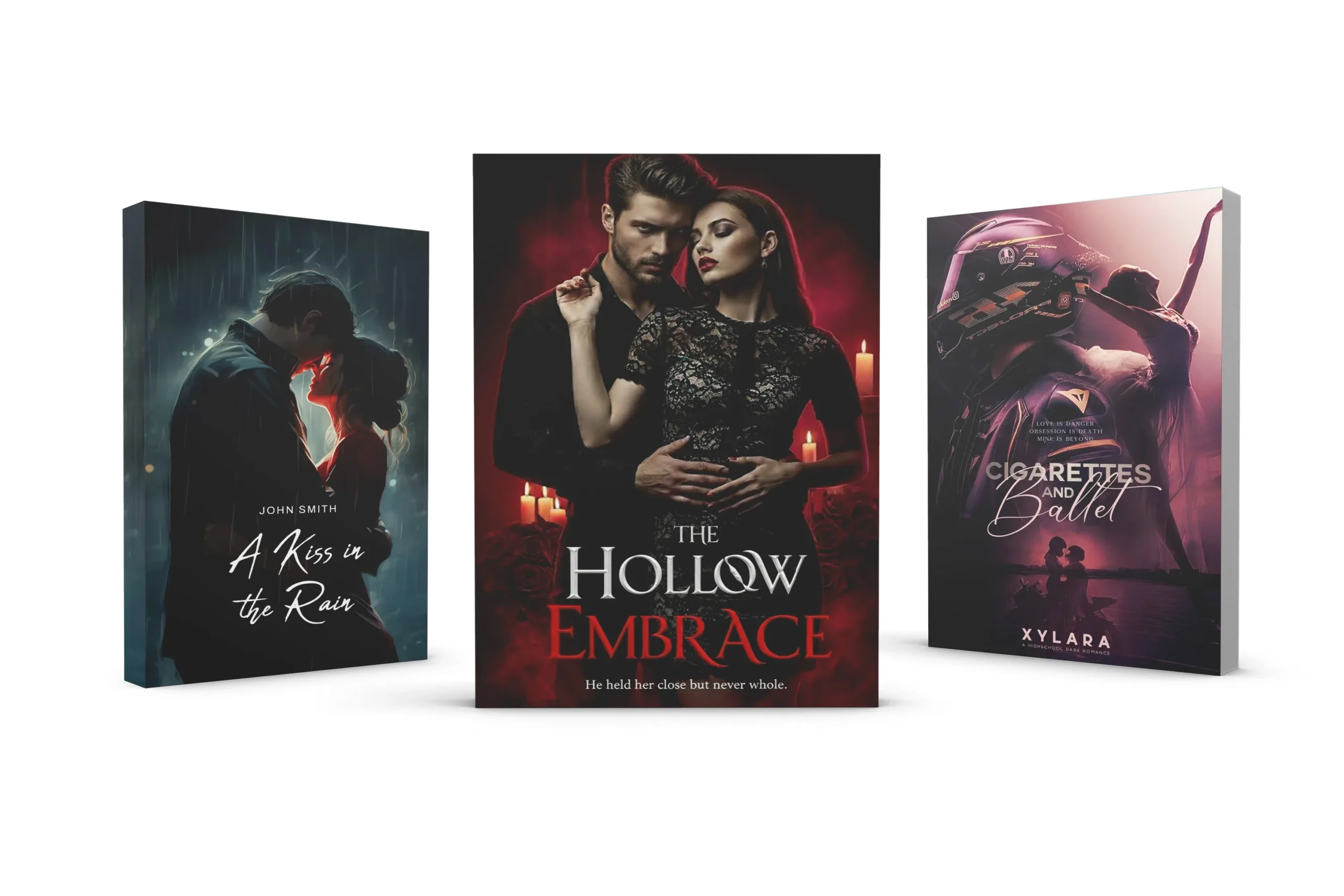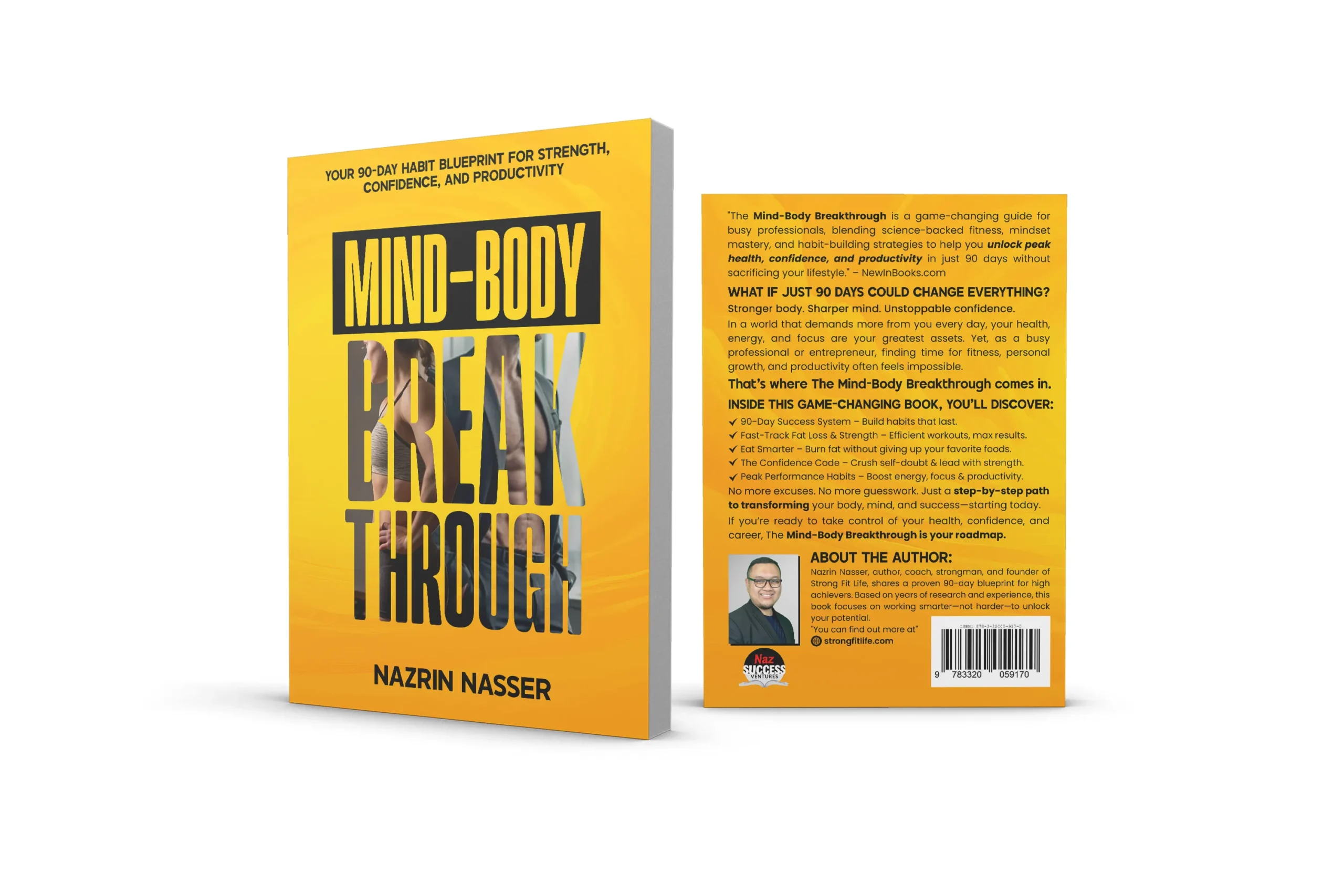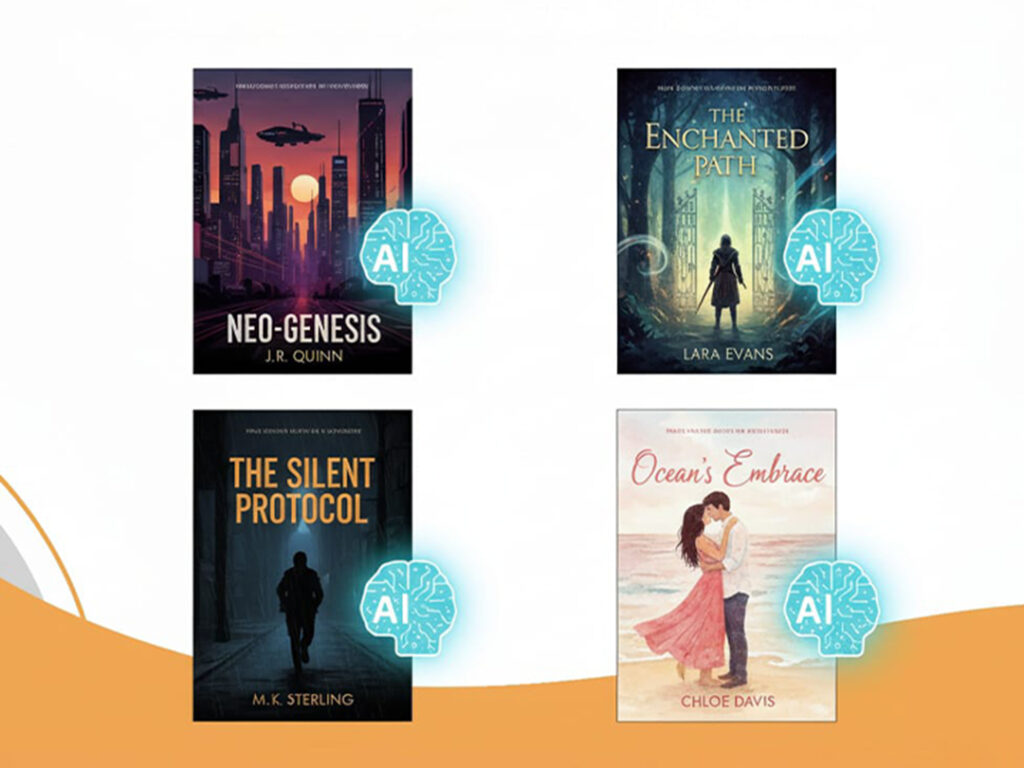
Best AI Book Cover Designers in 2025
In 2025–2026, AI has revolutionized book cover design for self-published authors, indie creators, and even traditional publishers. Tools powered by advanced models like Midjourney, DALL·E, Flux, and specialized platforms now generate stunning, genre-appropriate visuals in minutes—often with better artistic flair than basic stock photos. For authors on authoryn.com (especially those in Pakistan self-publishing via KDP or IngramSpark), these AI designers offer affordable, fast ways to test concepts, iterate thumbnails, and create professional-looking covers without hiring expensive freelancers.
While AI isn’t a full replacement for human designers (especially for nuanced typography, composition, and market fit), it’s an incredible starting point or accelerator. Below are the best AI book cover designers/tools dominating 2025, based on speed, quality, genre accuracy, ease of use, and author feedback.
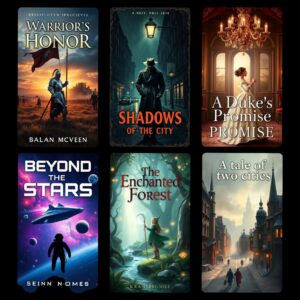
1. Midjourney – Best for Artistic & High-Quality Covers
Midjourney remains a top choice for stunning, painterly, or illustrative covers—especially fantasy, romance, sci-fi, and thrillers.
Why it’s great in 2025:
- Exceptional detail, mood, and style control via Discord prompts.
- Handles complex scenes, lighting, and symbolism perfectly.
- Community remixing for quick variations.
Pros: Superior artistic output; great for custom moods. Cons: Requires Discord; paid ($10–60/month); text on covers often needs manual fix. Best for: Authors wanting unique, premium-looking art. Tip: Prompt with “book cover style, title text ‘Your Title’ integrated” and upscale in tools like Photoshop/Canva.
2. Canva Magic Studio (AI Features) – Best All-in-One for Beginners
Canva’s AI suite (Magic Design, Magic Media, text-to-image) makes it the most accessible for non-designers.
Why it’s great in 2025:
- Generate images + add text, templates, and full wrap (spine/back) in one app.
- KDP-ready exports with proper bleed/resolution.
- Free tier generous; AI suggests layouts from your description.
Pros: Super easy; built-in typography; mobile-friendly. Cons: Less “wow” artistic quality than pure generators. Best for: Quick prototypes, contemporary/romance/non-fiction covers.
3. Ideogram – Best for Accurate Text on Covers
Ideogram excels at rendering readable title/author text directly in generated images—huge for book covers.
Why it’s great in 2025:
- Strong text integration (add “title: ‘Your Book Title’ in bold font” to prompts).
- Clean, professional styles; good for minimalist/symbolic designs.
- Free tier available; fast generations.
Pros: Solves the biggest AI pain point (bad text). Cons: Less variety in ultra-detailed art compared to Midjourney. Best for: Covers needing prominent, integrated typography.
4. Fotor AI Book Cover Maker – Best Free/Paid Dedicated Tool
Fotor offers a specific “AI Book Cover Generator” with genre presets and easy editing.
Why it’s great in 2025:
- Prompt-based generation + drag-and-drop customization.
- Templates for romance, mystery, fantasy, etc.
- High-res exports for print/digital.
Pros: Beginner-friendly; good balance of AI + manual tweaks. Cons: Paid for full features. Best for: Authors wanting a dedicated cover workflow.
5. BeYourCover – Best Purpose-Built for Authors
BeYourCover specializes in book covers, trained on bestseller visuals for genre accuracy.
Why it’s great in 2025:
- Input book summary/blurb → get optimized, thumbnail-ready options.
- KDP-formatted exports; understands what sells in romance, thriller, etc.
- Fast iterations with genre-specific models.
Pros: Tailored for publishing success. Cons: Newer tool; may require subscription. Best for: Indie authors prioritizing market fit.
6. Other Strong Contenders
- VEED.IO AI Book Cover Generator — Quick, prompt-to-cover; great for social media mockups.
- NightCafe — Versatile models (Stable Diffusion, Flux); creative freedom.
- Adobe Firefly — Integrated with Photoshop; ethical AI training; high realism.
- DALL·E 3 (via ChatGPT) — Easy access; good for realistic or conceptual starts.
- Kittl — AI-assisted with strong typography and vector tools.
Quick Comparison Table (2025 Standouts)
| Tool | Best For | Free Tier? | Text Accuracy | Artistic Quality | Price Range |
|---|---|---|---|---|---|
| Midjourney | Artistic/illustrative | Limited | Medium | Excellent | $10–60/mo |
| Canva AI | Beginners/All-in-one | Yes | High (manual) | Good | Free–$15/mo |
| Ideogram | Text-integrated covers | Yes | Excellent | Very Good | Free–paid |
| Fotor | Dedicated generator | Limited | Good | Good | Free–$10+/mo |
| BeYourCover | Genre/market-optimized | Trial? | High | Very Good | Subscription |
Final Tips for Using AI Book Covers in 2025
- Always refine: Use AI for concepts → add typography/composition in Canva/GIMP.
- Thumbnail test: Shrink to 200×300 pixels early—title must pop.
- Legal/ethics: Check commercial rights; avoid direct copies of existing covers.
- Combine with human touch: For best sales, iterate with reader feedback or hire tweaks.
- KDP specs: 300 DPI, CMYK print, accurate bleed/spine.
AI book cover tools make professional design accessible like never before—perfect for bootstrapping authors. At authoryn.com, we help you turn ideas into standout books. Try these tools and share your results in the comments!